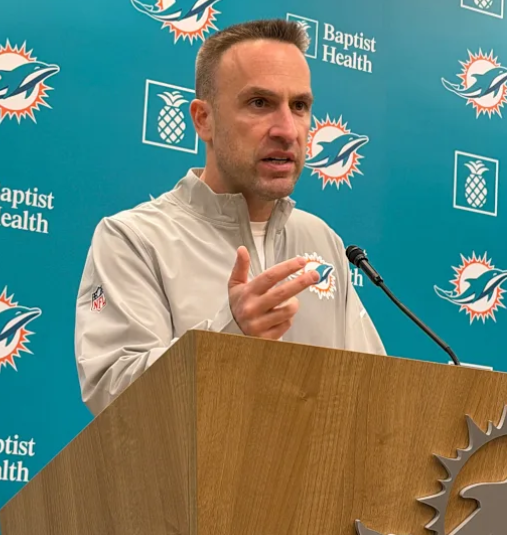
Miami, Florida — In a surprising development, the Miami Dolphins have secured a defining offseason moment that could reshape their long term direction.
Amid widespread roster changes and uncertainty, one of the team’s most valuable veterans has made a decision few expected under current circumstances.
Rather than pursuing a move to a contending team, the veteran linebacker has chosen to remain committed to Miami’s rebuilding process.
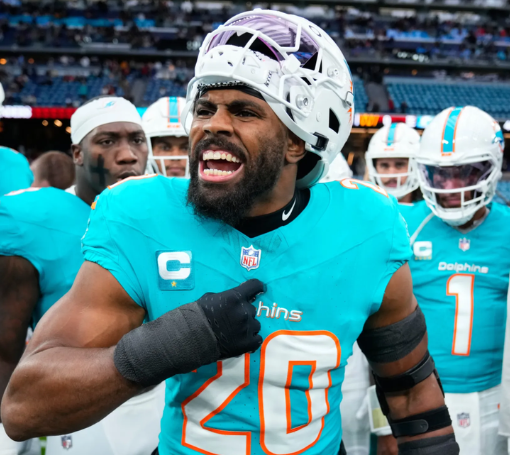
Jordyn Brooks has reportedly rejected a significant trade offer from an AFC rival despite strong interest and a more favorable competitive outlook elsewhere.
Even more notably, Brooks is willing to accept a reduced salary structure to help the organization maintain financial flexibility moving forward.
For a team in transition, that decision carries weight far beyond a simple contract adjustment or roster management move.
Brooks is not just another veteran, he remains the emotional leader and central figure within Miami’s defensive identity entering a new phase.
Coming off an All Pro season with over one hundred total tackles, his value across the league has never been higher.
Multiple sources confirmed that the rival team offered both financial incentives and a clearer short term path toward playoff contention.
For a twenty eight year old player still in his prime, that type of opportunity is rarely dismissed so quickly.
But Brooks reportedly viewed the situation through a different lens shaped by leadership, responsibility, and unfinished work in Miami.
“I understand what people think about rebuilding teams, but I don’t see this as leaving something behind, I see it as building something new.”
“Miami believed in me, and this locker room still matters, I want to be part of helping this team find its direction again.”
That message immediately shifts the narrative surrounding the Dolphins’ offseason and internal culture heading into training camp.
For weeks, many analysts assumed Brooks would be traded for valuable draft capital as part of a logical rebuilding strategy.
From a purely analytical perspective, that move would have aligned with traditional roster building approaches across the league.
However, football decisions are not always defined solely by numbers, contracts, or long term asset management calculations.
Sometimes, a rebuilding team requires a stabilizing presence capable of maintaining standards and preventing internal collapse.
Brooks appears ready to embrace that role as both a leader and a tone setter for a young evolving roster.
His decision directly impacts quarterback Malik Willis, who is expected to anchor Miami’s offensive rebuild moving forward.
A young quarterback cannot develop effectively without leadership, belief, and structure surrounding him during transitional seasons.
By staying and accepting a pay cut, Brooks sends a clear message that the rebuild is not a signal to disengage.
It is a challenge that demands accountability, commitment, and a willingness to lead through uncertainty and adversity.
For Miami, retaining Brooks may become one of the most important cultural decisions of the entire offseason.
His presence gives the defense continuity, provides younger players a model to follow, and reinforces locker room stability.
Rebuilds often fail when veteran leaders begin searching for exits instead of reinforcing belief within the organization.
Miami has already made difficult roster decisions that reshaped expectations and created an uncertain competitive outlook.
Brooks choosing to stay alters that perception, signaling belief rather than resignation within the team environment.
Financially, his willingness to accept a reduced contract further emphasizes commitment to the organization’s long term vision.
It provides front office flexibility to build around Willis and invest in developing the next generation of talent.
The Dolphins still face significant challenges across multiple areas of the roster heading into the upcoming season.
But Brooks remaining gives the team something every rebuilding organization desperately needs, credibility and leadership.
He had a clear path toward a more comfortable situation elsewhere with fewer uncertainties and greater short term success.
Instead, he chose a more difficult path defined by responsibility, loyalty, and the opportunity to shape something meaningful.
That decision may not guarantee immediate success, but it could define the identity of the Dolphins moving forward.
For Brooks, it represents a personal commitment to legacy rather than convenience at this stage of his career.
For Miami, it provides a foundation upon which a new era can begin to take shape.
And for Malik Willis, it ensures he will not face the burden of rebuilding alone.
Jordyn Brooks had an opportunity to leave.
He chose to stay.