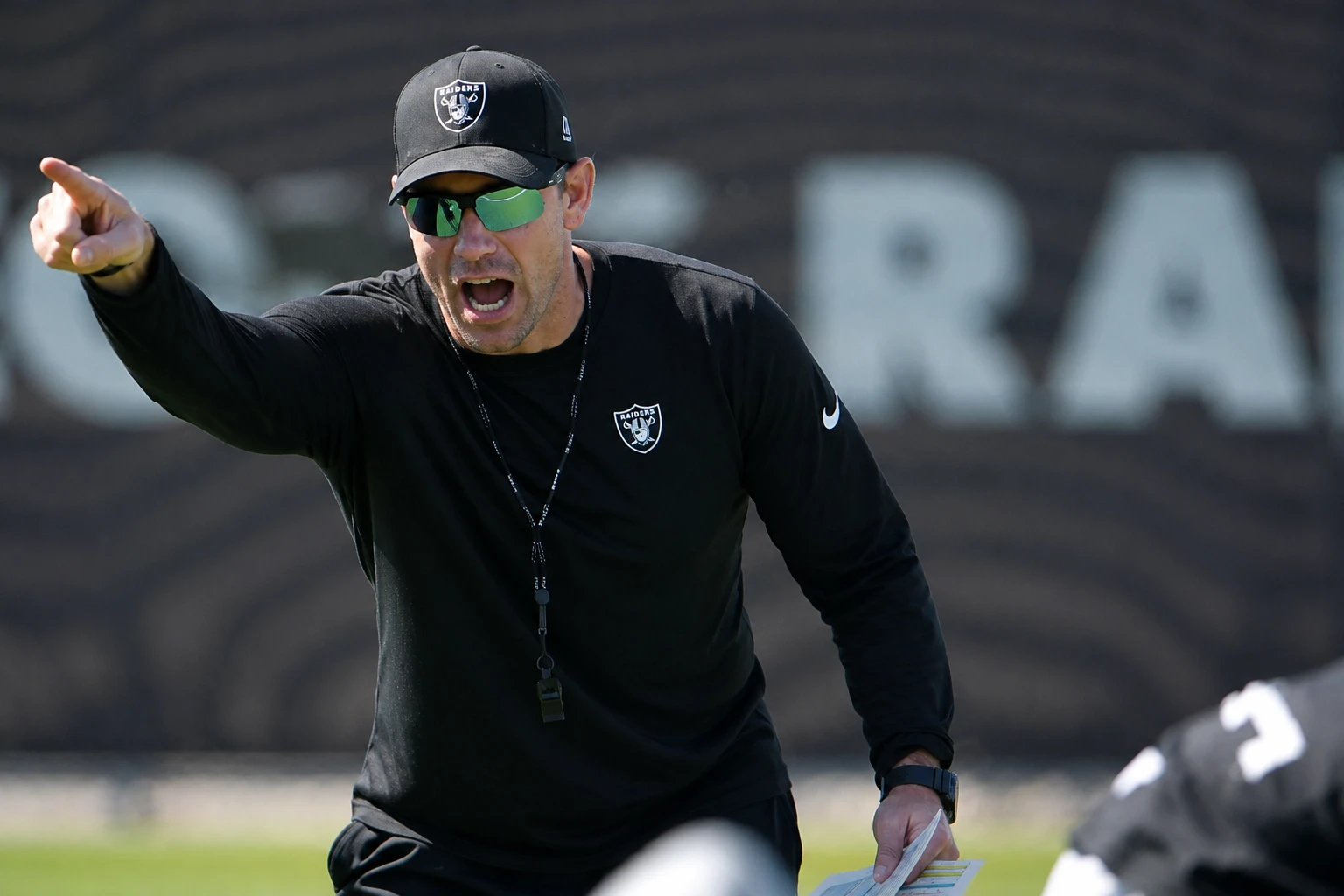
Las Vegas, Nevada — Lawmakers in Nevada have made a decisive move to secure the long-term future of the Las Vegas Raiders within state borders.
Just days after renewed discussions surrounding stadium investment, franchise value, and the growing competition among states for major professional sports development projects, Nevada leaders responded with urgency.
Officials have introduced new legislation titled the "Major Economic Development and Property Tax Relief Act."
The proposal is designed to strengthen Nevada’s ability to compete for major development projects while protecting local taxpayers.
Lawmakers believe the measure could provide a realistic pathway to keep the Raiders firmly rooted in Las Vegas for generations.
The bill would establish frameworks for large-scale projects valued at $500 million or more, with flexibility for developments exceeding $1 billion.
It would also allow communities to negotiate aggressively for stadium upgrades, transportation improvements, and entertainment districts surrounding major sports venues such as Allegiant Stadium.
Another key component focuses on shielding homeowners from property tax increases tied to major infrastructure investments.
The proposal includes advanced financing tools and alternative funding structures aimed at stimulating economic growth without raising taxes on local families.
“This is about protecting one of the most important institutions in our state while creating long-term economic opportunity,” a Nevada official said.
“We cannot afford to lose something that represents so much to the people of Nevada.”
The timing of the legislation is critical.
The Raiders have become one of the most recognizable attractions in Las Vegas since relocating to the city, helping transform Southern Nevada into one of the premier destinations for professional sports and entertainment in North America.
Allegiant Stadium is more than a football venue.
It is a world-class entertainment landmark that hosts NFL games, concerts, international sporting events, and some of the biggest attractions in the country.
Supporters of the bill argue that Nevada must continue planning ahead as major cities across the United States compete aggressively for sports-related investments and large-scale entertainment developments.
They emphasize that the goal is not simply to keep the Raiders in Nevada, but to build a broader economic ecosystem around the franchise.
A modernized entertainment district could create jobs, boost tourism, support hotels and local businesses, and generate substantial new revenue streams for Las Vegas and surrounding communities.
For Raiders fans, this has quickly become one of the most important off-field developments in recent years.
The franchise remains one of the most iconic brands in professional football.
Its connection to Las Vegas continues to strengthen as the city grows into a global sports capital.
Losing that connection would represent far more than a business decision.
It would mark a major cultural and economic shift for one of the NFL's most passionate fan bases.
While challenges remain, Nevada’s latest move sends a powerful message.
The state is not willing to let the Raiders’ future become uncertain.
And as Las Vegas continues building under head coach Klint Kubiak and defensive superstar Maxx Crosby, Nevada lawmakers appear determined to make sure the Raiders remain exactly where they belong — in Las Vegas.