The Miami Dolphins have stunned the league with a blockbuster move that instantly reshapes the core of their defensive front.
Facing increasing pressure to reinforce the interior line, the front office acted quickly with a bold and decisive strategy.
The foundation of this move stems from internal tension that had quietly developed within the locker room over recent months.
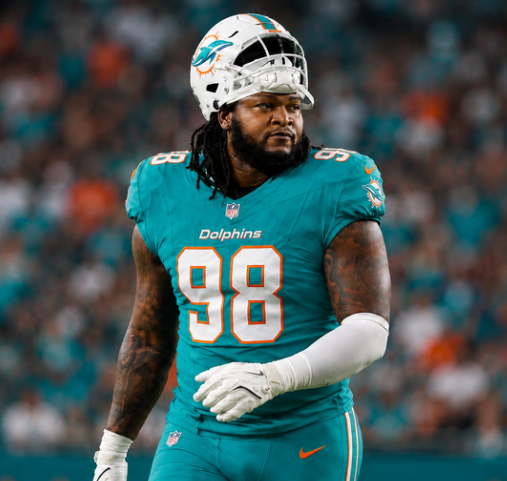
Specifically, Zach Sieler reportedly expressed his desire to leave the team as a free agent.
According to multiple internal sources, Sieler grew frustrated with his role and long term positioning within the evolving defensive scheme.
He believed his production was not fully recognized, especially as responsibilities shifted and limited his presence in key moments.
There were also differences between Sieler and the coaching staff regarding usage, expectations, and future direction.
Per Adam Schefter, these tensions ultimately pushed both sides toward a difficult but inevitable turning point.
Rather than allowing uncertainty to linger, Miami quickly pivoted and targeted a premier replacement from the Philadelphia Eagles.
That target became Jalen Carter, one of the most dominant young defensive tackles in the NFL today.
At just 25 years old, Carter has already earned two Pro Bowl selections and is widely viewed as a cornerstone defensive presence.
The $27 million figure tied to his upcoming season reflects both his elite value and immediate impact potential.
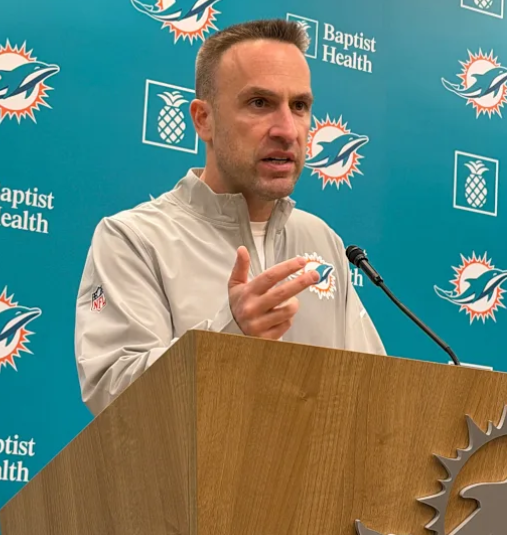
“We understand when a shift needs to happen. When a player no longer feels aligned with the system, you act with purpose. Carter is not just replacing a role, he is redefining the standard of our defense from the inside out.”
That statement signals a clear shift in philosophy as Miami commits to building around elite level defensive talent.
Sieler’s potential departure creates uncertainty, but also opens the door for a more explosive presence inside.
With Carter in place, the Dolphins gain a disruptive interior force capable of collapsing the pocket consistently.
His presence will directly enhance the effectiveness of edge rushers like Bradley Chubb.
This creates a more balanced, aggressive, and difficult to exploit defensive structure overall.
However, the move also brings financial pressure, as Carter is expected to demand a massive long term extension soon.
Miami has clearly accepted that risk in exchange for immediate competitiveness at a higher level.
This signals a franchise unwilling to wait through gradual roster evolution or uncertainty.
Instead, the Dolphins are fully committing to maximizing their competitive window right now.
If Carter integrates quickly, this move could redefine the identity of Miami’s defense for years to come.