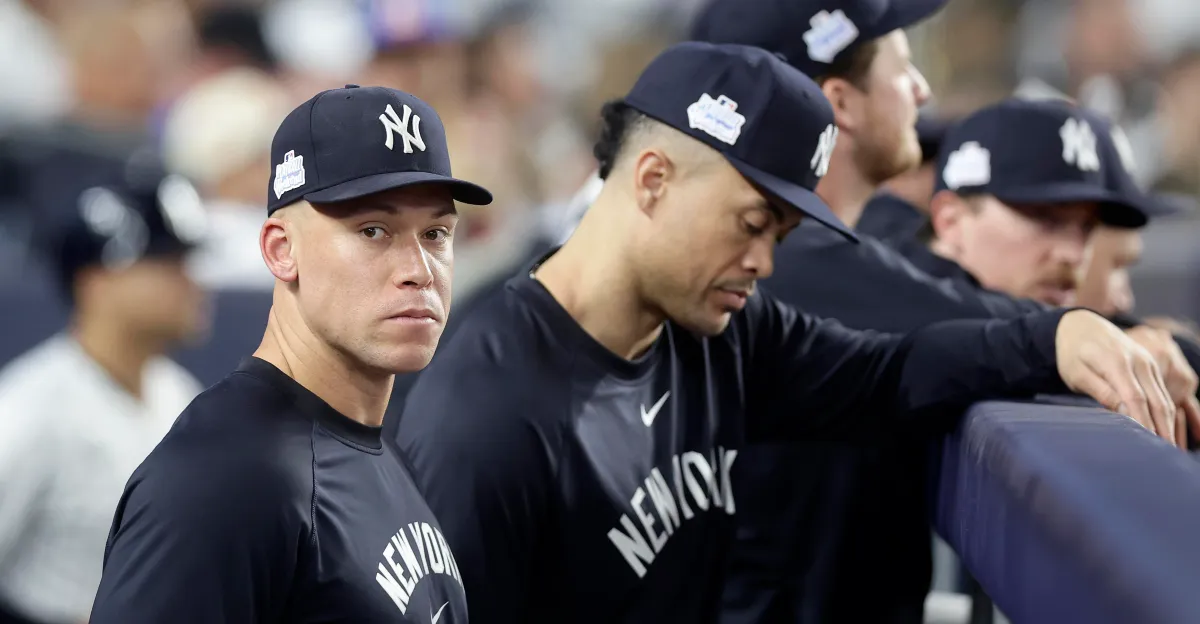
The New York Yankees are no strangers to scrutiny, but when criticism comes from within the clubhouse, it often carries a different level of urgency. That was the case this week when Aaron Judge delivered one of the most direct public assessments of the team’s performance in recent memory.
Aaron Judge openly referenced what he described as a “lack of focus” within the Yankees, a comment that immediately sparked discussion across the baseball world. For a player known for his measured tone and leadership by example, the remarks stood out not for their volume, but for their clarity.
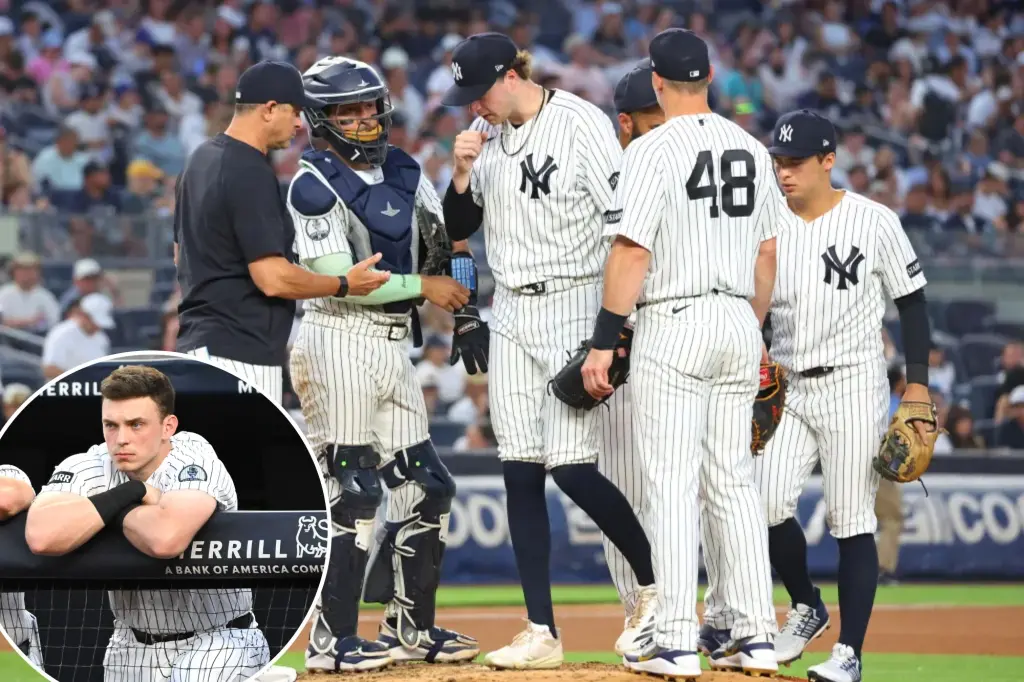
The Yankees’ season has been defined by inconsistency, with stretches of strong play interrupted by lapses in execution, defensive breakdowns, and missed opportunities in key moments. Judge’s comments appeared to address not just isolated incidents, but a broader concern about the team’s mental sharpness during critical stretches of games.
Within the clubhouse, Judge has long been viewed as a stabilizing presence. Since being named captain, he has carried the expectations of both performance and leadership in one of the most demanding environments in professional sports. His willingness to speak publicly about internal issues suggests a level of frustration that goes beyond standard midseason evaluation.
While Judge did not single out individual players, his message was widely interpreted as a call for accountability across the roster. In a market like New York, where scrutiny is constant and expectations are uncompromising, even small lapses can quickly become magnified under the spotlight.
The Yankees, historically defined by a culture of winning, now find themselves in a position where internal leadership is publicly reinforcing standards rather than celebrating sustained excellence. That shift is significant, particularly for a team built around championship aspirations every season.
Baseball insiders note that such comments from a captain are rarely made without intention. They often serve as a reset point, a way to reframe focus and reestablish urgency within a group that may be drifting from its competitive edge. In that context, Judge’s remarks may be less about criticism and more about recalibration.
Still, the reaction was immediate. Fans debated whether the statement reflected leadership strength or underlying tension within the organization. Analysts pointed to recent games where the Yankees appeared to lose momentum in key situations, reinforcing the concerns highlighted by their captain.
What makes Judge’s voice particularly influential is not just his status as a superstar, but his consistency in embodying the standards he references. His production, presence, and approach have made him the face of the franchise, and his words now carry organizational weight.
As the Yankees move deeper into the season, the focus will inevitably shift to how the team responds. In many ways, Judge’s comments now function as both critique and challenge — a reminder of expectations and a test of collective resilience.
Whether this moment becomes a turning point or simply another chapter in a turbulent season will depend not on what was said, but on how the Yankees react when they take the field again.