Kansas City, Kansas — Just 12 hours after reaching a breakthrough agreement to keep the Chiefs in Kansas through 2030, a financial and political crisis has suddenly erupted.
What was being celebrated as a historic turning point has quickly transformed into one of the most controversial sports related disputes the state has seen in years.
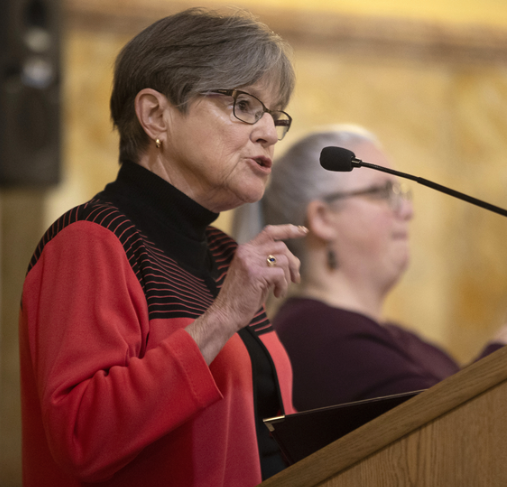
According to multiple sources, Governor Laura Kelly has introduced a new tax framework directly targeting the Chiefs’ financial operations.
Unlike previous policies, this proposal does not only impact profits, it reaches directly into the team’s operating revenue streams.
Specifically, the plan includes taxes on ticket sales, sponsorship agreements, and all commercial activity tied to the stadium.
This effectively reduces every primary revenue source before it can be reinvested into football operations or long term development.
The proposal reportedly goes even further.
It includes provisions allowing the state to monitor and partially control revenue generated from surrounding real estate and development projects.
Sports finance experts describe this level of intervention as one of the most aggressive ever proposed involving an NFL franchise.
And the pressure does not stop there.
At the same time, the existing 9.9 percent tax on income above one million dollars continues to place a direct financial burden on shareholders and investors.
This means the impact is not limited to the organization itself, it extends to the individuals financially backing the franchise.
Multiple stakeholders are now facing significantly increased costs as both corporate revenue pressure and personal tax exposure collide.
The combination has created what some investors are calling an unsustainable financial environment.
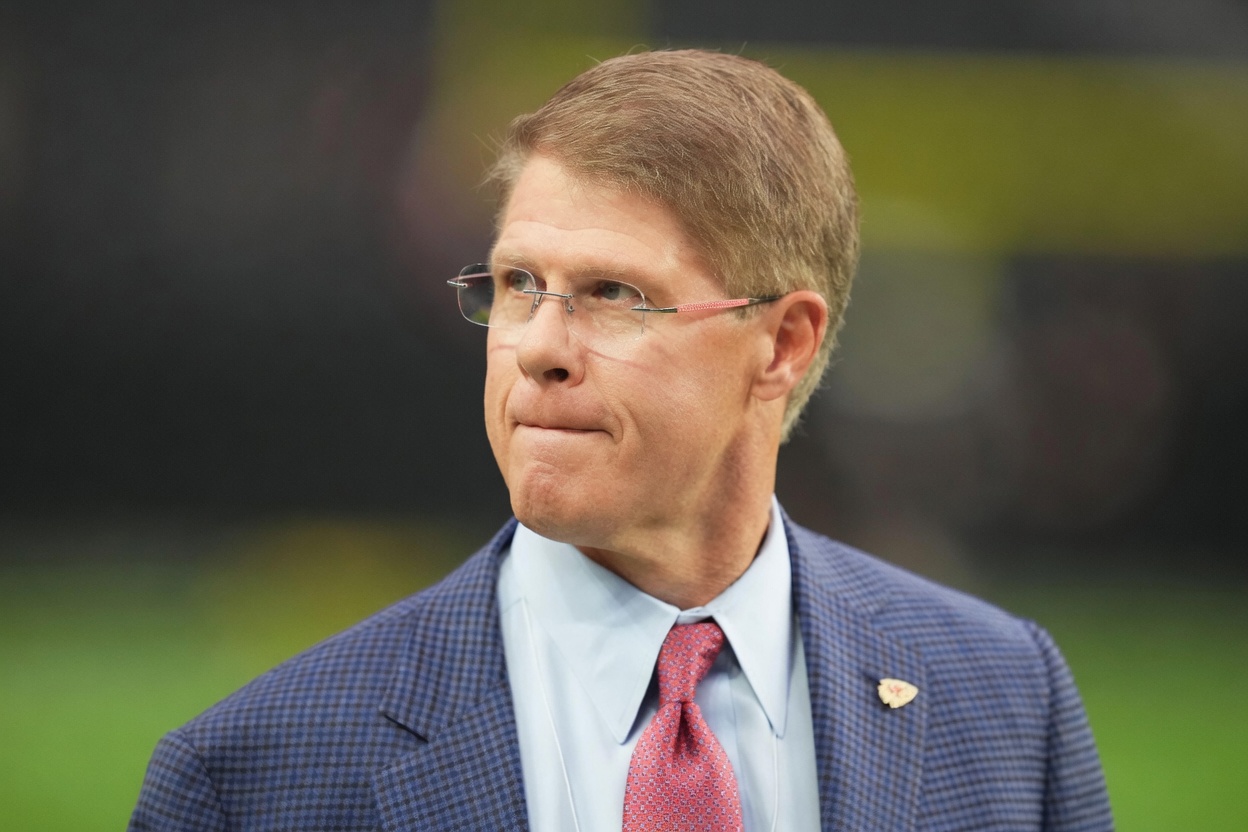
The response from owner Clark Hunt has been described as firm and confrontational.
Sources indicate Hunt called an emergency meeting and warned of systemic financial consequences if the policy moves forward.
“You cannot ask a franchise to commit long term and then immediately impose a tax structure that suffocates its revenue streams. This is no longer partnership. This is a decision that could destabilize the entire financial foundation of this organization.”
Within hours of that meeting, a domino effect began.
Several major shareholders announced their resignations, with some reports suggesting nearly half of the investor group has stepped away.
Their departure represents more than symbolism, it significantly weakens the team’s financial structure and long term investment capacity.
Amid the fallout, a new and even more concerning development has emerged.
According to league sources, the Chiefs have begun exploring contingency options in neighboring states such as Missouri and Oklahoma.
While no formal negotiations have been confirmed, reopening relocation scenarios signals a sharp decline in confidence.
Just 12 hours earlier, the franchise was believed to be fully secure in Kansas.
Now, instead of stability, the Chiefs are facing potential financial imbalance and strategic uncertainty.
Some analysts warn that the simultaneous loss of investors and mounting tax pressure could push the franchise into an unprecedented risk position.
Meanwhile, Governor Kelly’s silence has only intensified public concern.
No official clarification has been offered, leaving many to question the true intent behind the policy.
Chiefs fans have reacted strongly, with growing frustration over what many see as a dangerous shift in direction.
What began as a celebrated agreement has now evolved into a full scale crisis of trust.
If adjustments are not made quickly, the consequences may extend far beyond financial strain.
It could ultimately lead to a scenario once considered unthinkable, the Chiefs leaving Kansas.
And if that happens, the decision made just 12 hours after the agreement may be remembered as the turning point in franchise history.