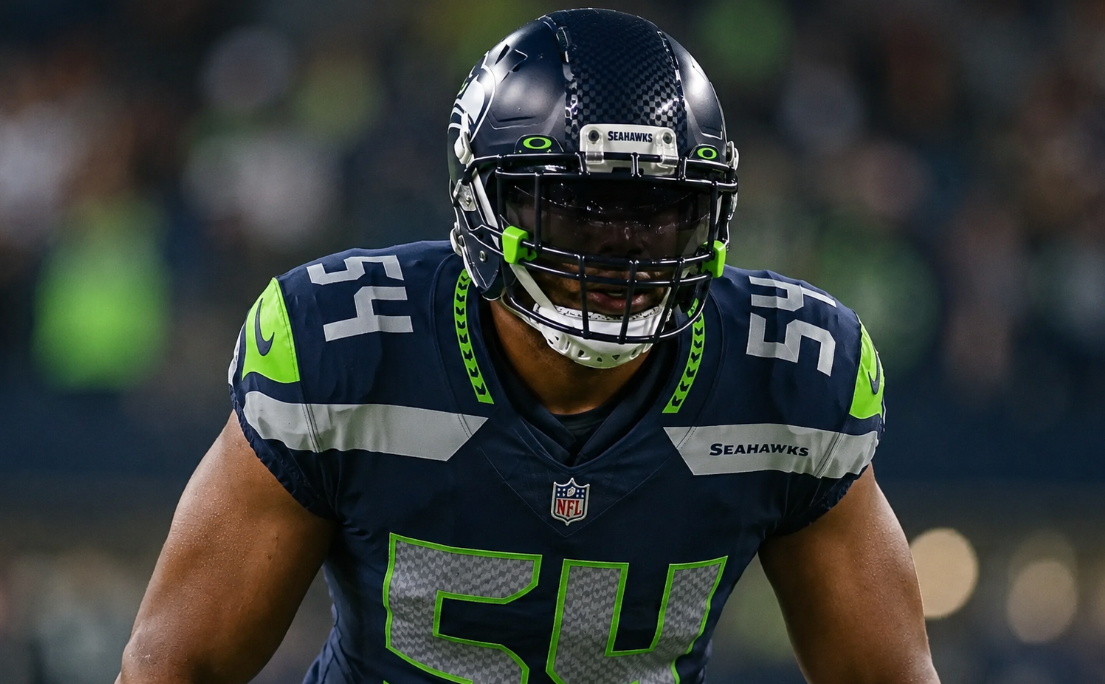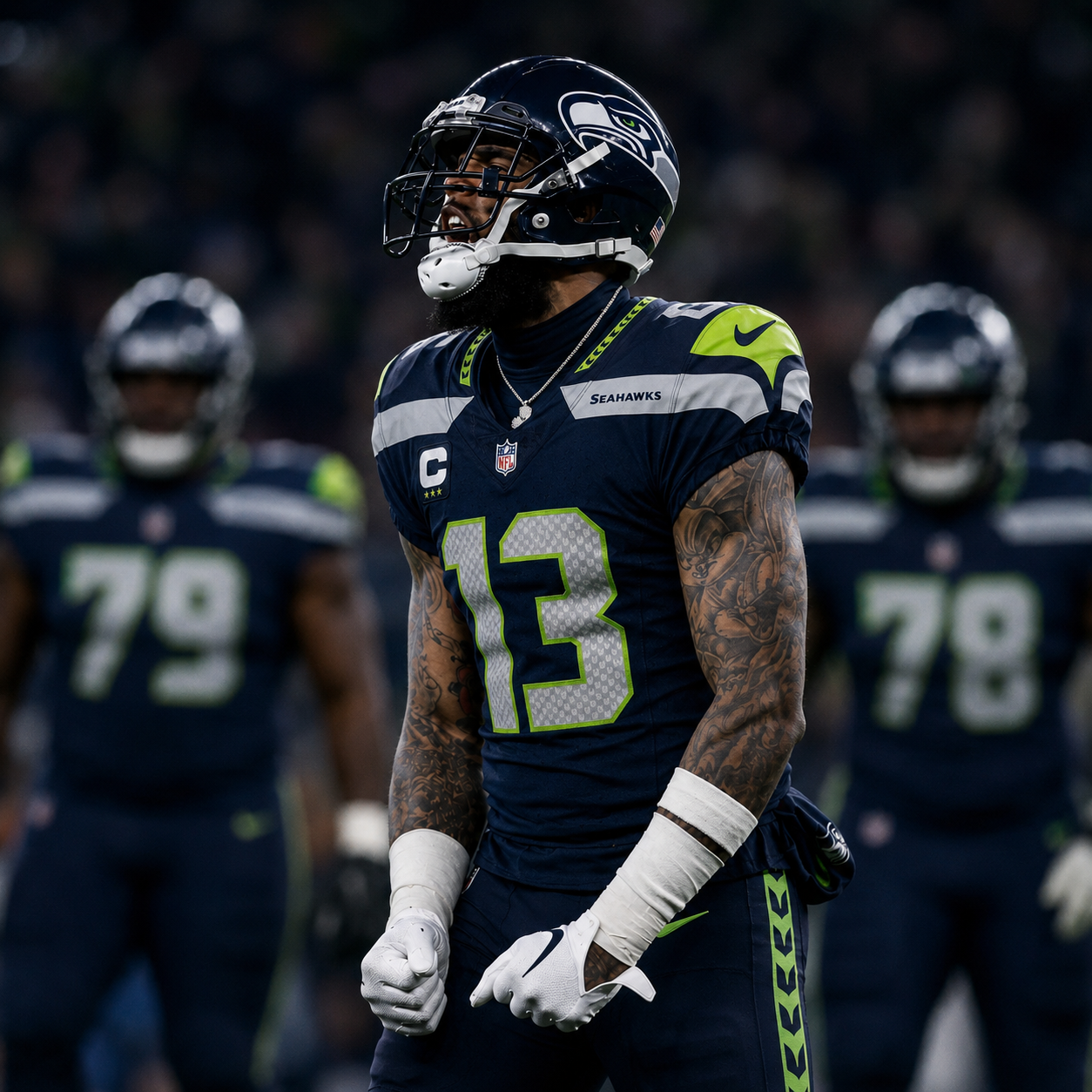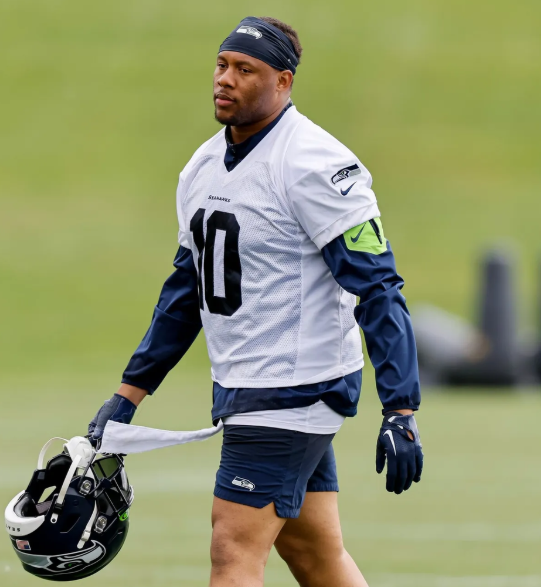
The atmosphere inside the New Orleans Saints facility turned tense just hours after the trade sending Cooper Kupp to the Dallas Cowboys was confirmed.
What was meant to be a controlled press conference quickly spiraled into one of the most controversial offseason moments across the league.
Reporters pressed aggressively, questioning how the Saints could allow such a high profile offensive weapon to leave at a critical stage.

As the pressure intensified, Jake Bobo unexpectedly stepped forward, delivering a statement that immediately shifted the tone of the room.
His expression was firm, his voice steady, and his message carried a clear edge that caught everyone off guard.
“You can keep talking about what we lost, but we’re not built around one name. If people think this offense just collapsed, they’re going to find out the hard way.”
The room fell silent for a brief moment before whispers began spreading among reporters and team staff.
Several journalists immediately challenged his comments, asking whether he believed he could help fill the void left behind.
Bobo did not back down, doubling down on the idea that the team’s identity would not depend on any single player.
That moment became the spark that ignited a massive reaction across social media within minutes.
The phrase “He’s doing everything to turn Saints fanbase against him” quickly began trending across NFL discussion platforms.
Many fans felt his tone crossed a line, especially given the emotional attachment to a player like Kupp.
They argued that a player still proving his role should focus on production rather than bold public statements.
Others, however, saw his words as a sign of confidence, accountability, and a willingness to embrace pressure.
Analysts pointed out that the issue was not just the message, but the timing and delivery.
The press conference, intended to calm concerns, instead amplified the divide among the fanbase.
A former NFL player noted that statements like this can create unnecessary tension inside a locker room already adjusting to change.
Meanwhile, the Saints coaching staff declined to publicly support or distance themselves from Bobo’s remarks.
That silence only fueled further debate as reactions continued to spread across the league.
For the Saints, the situation extends beyond a single roster move.
It reflects the challenges of maintaining identity, trust, and leadership during a transitional period.
For Bobo, this moment represents an early test of how he handles pressure in the spotlight.
In today’s NFL, a single sentence can travel faster than any play on the field.
And in New Orleans that day, one statement was enough to ignite a league wide conversation.
The question now is whether Bobo can back up his words on the field, or whether they will become the pressure that defines him moving forward.