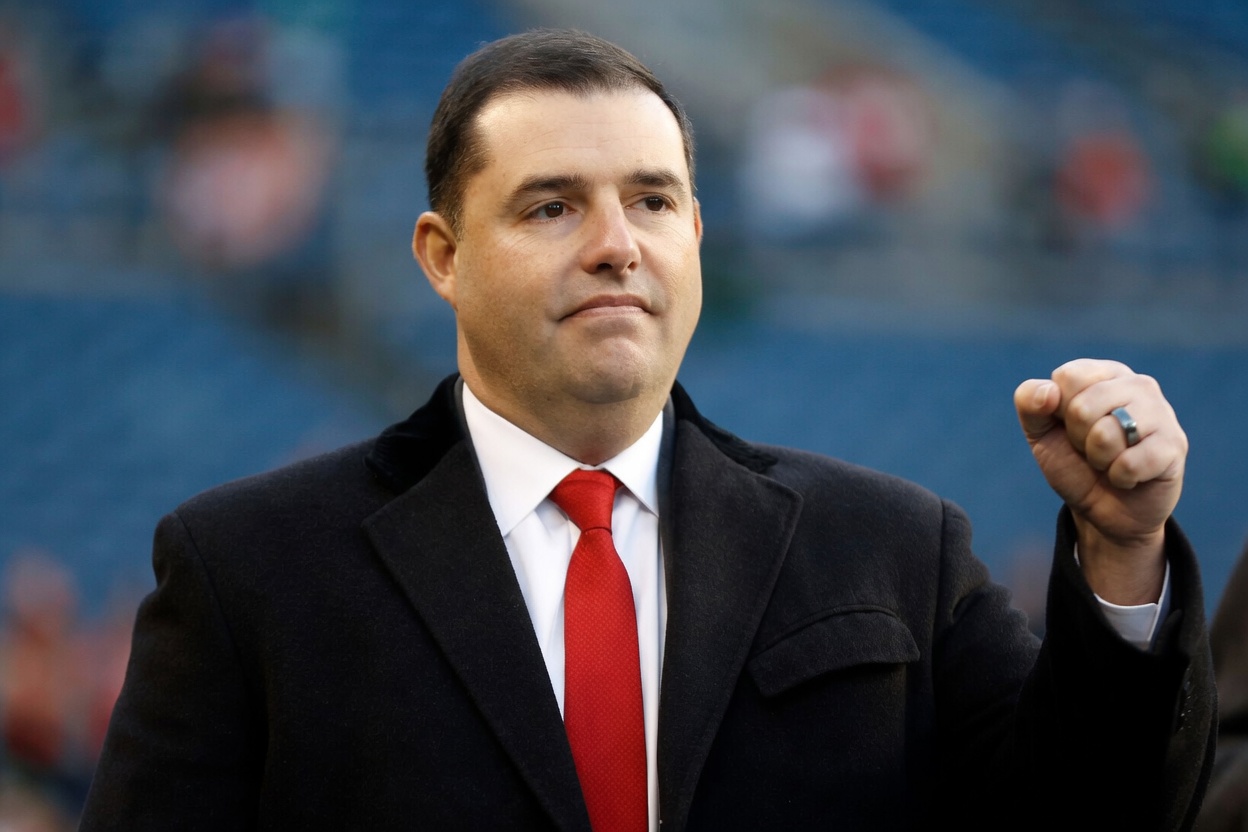
What began as a local high school football story has quickly become one of the most controversial developments across Bay Area sports circles.

A beloved 49ers icon now finds himself at the center of an emotional debate involving youth athletics, community support, and regulatory enforcement.
Many expected praise for his commitment to student athletes struggling through difficult circumstances both on and off the field.
Instead, the former 49ers star has been handed a suspension that continues generating outrage throughout Northern California and beyond.
The controversy centers on assistance provided to players participating in Richmond High School’s football program during the current season.
According to reports, several athletes faced transportation challenges that threatened their ability to attend practices and team activities.
In response, the former 49ers linebacker reportedly used personal resources to help ensure those students could safely reach the program.
Additional support allegedly included recovery services and training resources designed to improve player health and preparation throughout competition.
Those actions were widely viewed by supporters as compassionate efforts aimed at helping young athletes overcome difficult circumstances.
However, CIF officials reached a different conclusion after reviewing the benefits provided to members of the program.

The California Interscholastic Federation determined that the assistance violated regulations governing competitive balance between participating schools.
Officials classified the support as impermissible benefits under existing guidelines that apply to high school athletic programs statewide.
As a result, Patrick Willis was suspended from coaching activities and removed from the sidelines for the remainder of the season.
The decision immediately sparked intense reaction throughout the Bay Area, where Willis remains one of football’s most respected figures.
Many former players, parents, and community members questioned whether the punishment reflected the realities facing student athletes today.
Supporters argue the assistance was never intended to create competitive advantages or influence recruiting decisions in any manner.
Instead, they believe the actions reflected Willis’s longstanding commitment to mentorship, education, and community service beyond football.
Critics of the ruling contend that strict regulations should not discourage individuals from helping students facing genuine hardships.
Meanwhile, athletic administrators maintain that rules exist to preserve fairness and must apply consistently regardless of intentions involved.
What began as a coaching suspension has now evolved into a broader conversation about compassion, fairness, and accountability.
For now, Willis remains sidelined, but the debate surrounding his punishment may ultimately leave a lasting impact across the Bay Area.